Introduction
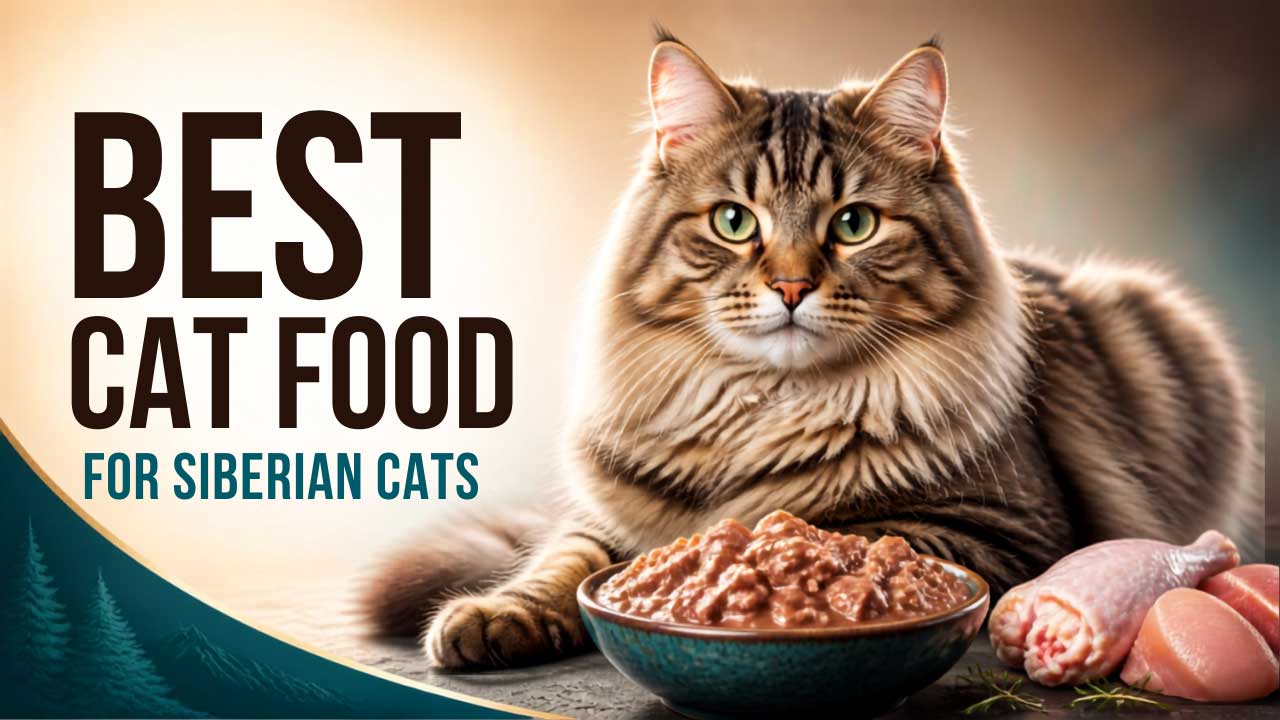
Siberians are a large, robust breed with real elevated calorie needs, especially during their first year of growth when their metabolism runs at full speed. They’re also a well-documented low-shedding breed known for producing less of the Fel d 1 protein that triggers human cat allergies, though that’s a trait about the cat itself, not about what they eat. Finding the best cat food for Siberian means comparing formulas that are high in animal protein and calorie-dense enough to match their size and activity level.
This guide compares five products, each compared on brand-published ingredients and nutrition information. Here’s what we’re covering:
- Wellness Complete Health Pate Chicken Entree, 12.5 oz, 12-Pack
- Weruva Cats in the Kitchen Chicken Frick ‘A Zee, 3.2 oz, 24-Pack
- Dave’s Pet Food Naturally Healthy Grain-Free Turkey, 12.5 oz, 12-Pack
- Tiki Cat Luau Succulent Chicken in Chicken Consomme, 2.8 oz, 12-Pack
- Stella & Chewy’s Freeze-Dried Raw Dinner Morsels, Rabbit, 3.5 oz
Affiliate Disclosure: As an Amazon Associate Pet Choice Center may earn a commission from qualifying purchases. If you purchase through our links, we may earn a small commission at no extra cost to you.
Quick Verdict
Wellness Complete Health Pate Chicken offers real, clearly-named animal protein at an accessible price point. Weruva Chicken Frick ‘A Zee delivers real high moisture from a single-source protein. Dave’s Pet Food Turkey provides real value in a large can size suited to this bigger breed’s appetite. Tiki Cat Luau Succulent Chicken offers a simple, grain-free formula with high moisture and a soft, easy-to-eat texture. Stella & Chewy’s Rabbit rounds things out with a real high-protein, novel-protein option.
How We Chose These Products
We chose these five by comparing each brand’s published ingredient lists and nutrition information against what Siberian cats need. We don’t test products ourselves, and ratings and prices change, so check the current listing before you buy. One note on fish: it’s a common food allergen in cats, so it shouldn’t be the only protein your cat eats, but complete fish-based foods are fine as part of a rotation.
At a Glance
- Siberian-specific needs checked against each formula
- 5 products, each compared on brand-published ingredients and nutrition information
- 1 claim clarified: fish isn’t broadly “bad” for cats, but is a real, common allergen worth rotating rather than relying on exclusively
- No invented numbers or quotes – we don’t invent statistics or testimonials
Quick Comparison Table
Short on time? Here’s a quick side-by-side before you dive into the full breakdowns below.
| Product | Format | Primary Protein | Best For |
|---|---|---|---|
| Wellness Complete Health Pate Chicken | Canned | Chicken | Budget-friendly daily feeding |
| Weruva Chicken Frick ‘A Zee | Canned | Chicken | High moisture support |
| Dave’s Pet Food Turkey | Canned | Turkey | Larger appetites, bulk buying |
| Tiki Cat Luau Succulent Chicken | Canned | Chicken | Soft texture, grain-free |
| Stella & Chewy’s Rabbit | Freeze-Dried | Rabbit | High-protein, novel protein |
The Five Options, Reviewed
Wellness Complete Health Pate Chicken
Overview: Real chicken, chicken liver, and turkey as clearly-named protein sources | low-carbohydrate formula despite some plant ingredients | grain-free with no artificial colors or flavors | uses real stabilizing gums for pate texture
Why We Recommend It: This delivers real, clearly-named animal protein at one of the more accessible price points available, a solid daily option for a larger breed that eats more than average.
Wellness Complete Health Pate Chicken
Best Overall, Budget-Friendly

Key Features: Real chicken, chicken liver, and turkey provide varied animal protein | no by-products or anonymous meats | free from artificial colors and flavors | low relative carbohydrate content
Pros: Accessible pricing for daily feeding | real, clearly-named protein sources | low carbohydrate content overall
Cons: Uses real stabilizing gums fairly heavily for texture | contains a real, modest amount of plant ingredients
Best For: Owners wanting real quality protein at an accessible price for a larger cat
Bottom Line: A well-regarded, budget-conscious option with real named protein sources.
Weruva Chicken Frick ‘A Zee
Overview: Real cage-free chicken as the sole animal protein source | high protein, high moisture, minimal carbohydrate formula | sunflower seed oil and fish oil provide added fat | grain-free, gluten-free, and carrageenan-free
Why We Recommend It: This delivers one of the highest moisture contents available from a simple, single-source protein, supporting real hydration for an active, larger-bodied breed.
Weruva Chicken Frick ‘A Zee
Best High Moisture

Key Features: Real single-source chicken protein, no blended meats | high moisture content supports hydration | free of carrageenan, a real ingredient some cats react to | shredded texture in au jus appeals to many cats
Pros: Very high in moisture | real single-source protein simplifies digestion | free from carrageenan and common allergens
Cons: Contains real gum thickeners that can cause loose stools in some cats | fairly expensive on a per-ounce basis
Best For: Siberians where dietary moisture is a real priority
Bottom Line: A well-formulated, high-moisture canned option for this active, larger breed.
Dave’s Pet Food Turkey
Overview: Real turkey as the primary ingredient, with chicken broth and chicken liver added | grain-free and free of artificial additives | large 12.5-ounce cans for bulk buying | moderate calorie content
Why We Recommend It: This offers accessible, meat-first nutrition in a real large can size, well matched to a bigger cat’s elevated calorie needs.
Dave’s Pet Food Turkey
Best for Larger Appetites

Key Features: Real turkey leads the ingredient list | chicken liver adds nutritional value and flavor | large 12.5 oz cans reduce cost per feeding | free from artificial flavors and colors
Pros: Rich in high-quality animal-sourced protein | large can size offers real value for a bigger appetite | free from artificial additives and grains | confirmed accessible pricing
Cons: Contains real plant-based ingredients and thickening gums like guar gum and agar-agar
Best For: Owners feeding a Siberian’s real larger-than-average appetite
Bottom Line: A solid, accessible meat-first option well matched to this larger breed’s real calorie needs.
Tiki Cat Luau Succulent Chicken
Overview: Real shredded chicken as the first ingredient | grain-free, low-carbohydrate formula | high moisture consomme supports hydration | 100% complete and balanced for all life stages | soft, easy-to-eat shredded texture
Why We Recommend It: This pairs real named-protein sourcing with a high-moisture format, adding another simple, gentle option alongside the picks above.
Tiki Cat Luau Succulent Chicken
Best Grain-Free Wet

Key Features: Real shredded chicken leads the ingredient list | grain-free, low-carbohydrate formula | high moisture consomme supports real hydration | soft texture suits cats who find hard kibble less comfortable
Pros: High moisture content supports hydration | real named chicken as the first ingredient | grain-free formula
Cons: Small can size means more cans needed for daily feeding | not a breed-specific formula
Best For: Owners wanting a simple, high-moisture grain-free option alongside the picks above
Bottom Line: A solid grain-free wet option built around real biologically appropriate nutrition.
Stella & Chewy’s Absolutely Rabbit
Overview: Real 98% rabbit meat, organs, and bone | freeze-dried to preserve nutrition without high heat | fortified with real probiotics for digestive health | novel protein source unlikely to trigger allergies
Why We Recommend It: This offers a real high-protein, minimally processed option with a novel protein, well matched to this active breed’s need for real, species-appropriate nutrition.
Stella & Chewy’s Absolutely Rabbit
Best High-Protein Novel Option

Key Features: Real freeze-drying preserves nutrients without high-heat processing | 98% meat, organs, and bone composition | rabbit is a real novel protein, uncommon in most commercial diets | fortified with real probiotics and taurine
Pros: Highly digestible, minimally processed nutrition | real high-protein content matches active breed needs | novel protein source reduces allergy risk
Cons: Fairly expensive relative to standard wet or dry food | some cats dislike the freeze-dried texture
Best For: Owners wanting real high-protein, minimally processed nutrition
Bottom Line: A high-quality, high-protein option well matched to this breed’s real activity level.
Pros & Cons Comparison Table
| Product | Top Pro | Top Con |
|---|---|---|
| Wellness Complete Health Pate Chicken | Accessible, named proteins | Heavy use of stabilizing gums |
| Weruva Chicken Frick ‘A Zee | Very high moisture, single-source protein | Contains gum thickeners |
| Dave’s Pet Food Turkey | Large cans for bigger appetites | Contains plant-based thickeners |
| Tiki Cat Luau Succulent Chicken | High moisture, named protein | Small can size |
| Stella & Chewy’s Rabbit | Real high protein, novel protein | Fairly expensive |
Which Option Matches Your Siberian?
If you want real, named protein at an accessible price, Wellness Complete Health Pate Chicken delivers that. If hydration is a real priority, Weruva Chicken Frick ‘A Zee offers very high moisture. You’re feeding a bigger appetite, Dave’s Pet Food Turkey‘s large can size helps. If you want another simple, gentle option, Tiki Cat Luau Succulent Chicken‘s high moisture and soft texture are a solid fit. If you want real high-protein, minimally processed nutrition, Stella & Chewy’s Rabbit is a match for this active breed.
What Siberians Need From Their Diet
Siberians are a large, active breed with real elevated calorie needs, particularly during their first year of life when their metabolism runs at full speed to support rapid growth. As obligate carnivores, their real dietary needs center on high animal protein with moderate fat and low carbohydrate content, with no more than roughly 10% of calories coming from grain or vegetable sources. Their real, well-documented lower production of the Fel d 1 protein, the one responsible for most human cat allergies, is a trait of the cat itself and isn’t affected by diet.
The mistake that matters most here is treating a broadly accurate caution, like limiting fish as a primary or repeated protein, as if it meant fish should be avoided altogether. In reality, fish is a real, common allergen worth rotating rather than relying on exclusively, but that’s a different, more precise guidance than avoiding it outright.
Why Kitten-Stage Nutrition Deserves Real Attention
Compared to feeding a standard adult portion to a growing Siberian kitten, understanding that their real metabolism runs at full blast for roughly the first 12 months means higher levels of protein, fat, and calories matter during this window. One thing worth knowing: a food formulated specifically for growth, rather than adult maintenance, supports this real developmental need.
This guide is for owners of a healthy Siberian looking to match nutrition to their cat’s actual size, activity level, and life stage. By the end of this section, you should understand which of these five fits your situation.
Common Buying Mistakes to Avoid
- Underfeeding a growing kitten. Siberian kittens need real elevated protein, fat, and calories during their first year.
- Avoiding fish entirely based on an oversimplified warning. Fish is a real, common allergen worth rotating, not a food to eliminate outright.
- Assuming diet affects allergen production. This breed’s real lower Fel d 1 output is a genetic trait, not something influenced by food.
- Choosing food based on price alone. Real nutritional value and named protein sources matter more than the price tag itself.
Practical Tips for Feeding a Siberian
- Feed a growth formula during the first year. This supports a Siberian kitten’s real elevated calorie needs.
- Offer both wet and dry textures. This provides real hydration benefits alongside dental benefits from kibble.
- Rotate protein sources rather than relying on one exclusively. This reduces the real risk of developing a sensitivity over time.
- Watch body condition on a larger-framed breed. Their real bigger size can make early weight gain harder to spot visually.
Our Review Process
We evaluated every product on this list against the same criteria:
- Current availability under the exact name and format listed
- Ingredient and nutrition information published by the brand
- Real ingredient panel accuracy, with animal protein confirmed as the first ingredient
- Relevance to Siberian-specific needs: calorie density, appetite, and protein quality
- Value for money, based on price and Amazon customer ratings
We don’t make medical claims about any product, and every claim in this guide came from verified manufacturer or Amazon listing data rather than repeating an oversimplified caution at face value. Siberians with diagnosed health conditions benefit from a veterinarian’s guidance in selecting the most appropriate formula.
Final Recommendation
If you only take one thing from this guide: match your Siberian’s real, elevated calorie needs, especially during kittenhood, to a protein-rich, named-source formula rather than a generic budget option. Wellness Complete Health Pate Chicken and Dave’s Pet Food Turkey both offer real accessible, quality nutrition. Weruva Chicken Frick ‘A Zee adds real hydration support. Tiki Cat Luau Succulent Chicken adds another gentle, high-moisture pick, and Stella & Chewy’s Rabbit delivers real high-protein, minimally processed nutrition.
This guide is built to help you match verified nutrition to your Siberian’s real size, appetite, and life stage. Prioritize protein quality, rotate proteins sensibly, and keep your vet in the loop as they grow.
Frequently Asked Questions About Cat Food for Siberian
Do Siberian kittens need different food than adults?
Yes; their real elevated metabolism during roughly the first 12 months means they need higher levels of protein, fat, and calories to support growth.
Is fish bad for Siberians?
Not broadly; fish is a real, common food allergen worth rotating rather than relying on exclusively, but a well-formulated fish-based food is fine in rotation.
Does a Siberian’s diet affect their hypoallergenic reputation?
No; their real lower production of the Fel d 1 protein responsible for most human cat allergies is a genetic trait, not something diet influences.
How much protein does a Siberian actually need?
As obligate carnivores, cats need a high proportion of protein from animal sources, with no more than roughly 10% of calories coming from grains or vegetables.
Are Siberians prone to obesity?
Like any cat, they can be; their real larger frame can make early weight gain harder to spot, so monitoring body condition matters.

By the Pet Choice Center Editorial Team– Emma
Reviewed and researched by the Pet Choice Center Editorial Team. We compare pet products using manufacturer specifications, brand-published information, and practical buying criteria to help pet owners make informed decisions.
Leave a Reply