
A note before you read on: loose stools can stem from food intolerance, too-fast diet changes, parasites, IBD, or stress, and a vet visit is worth it if the issue persists beyond a few days or comes with vomiting, lethargy, or blood. Diet can help many mild, food-related cases, but it isn’t a substitute for ruling out parasites or other underlying causes first.
Introduction
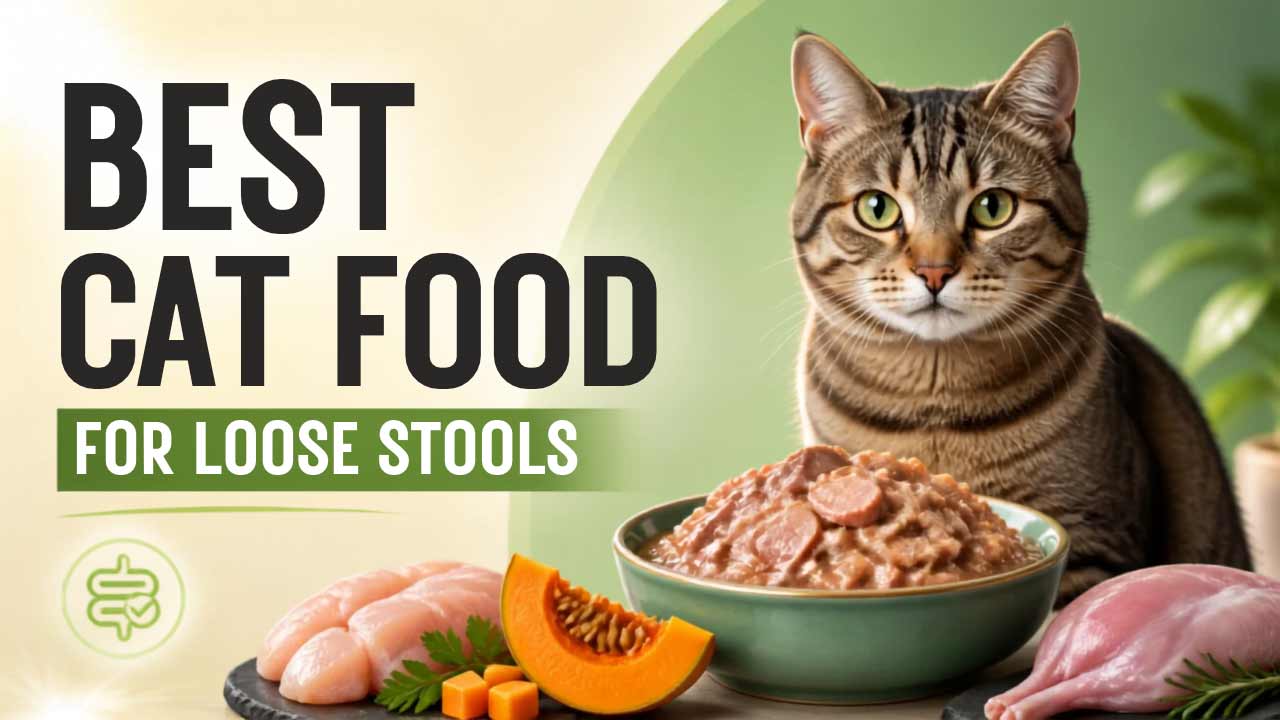
Loose stools in cats often trace back to one of a few fixable causes: a protein sensitivity, too-abrupt a diet switch, or a gut that needs easier-to-digest nutrition and real probiotic support to firm back up. Finding the best cat food for loose stools means matching a verified formula, from prescription-tier to limited-ingredient, to what’s actually driving your cat’s symptoms.
This guide compares five products. Here’s what we’re covering:
- Royal Canin Veterinary Diet Gastrointestinal Fiber Response, Thin Slices in Gravy, 3 oz, 24-Pack
- Hill’s Prescription Diet i/d Digestive Care Wet, Chicken & Vegetable Stew, 2.9 oz, 24-Pack
- Dr. Elsey’s cleanprotein, Chicken, Dry, 6.6 lb
- Weruva Cats in the Kitchen, Pumpkin Jack Splash with Tuna, 3 oz, 12-Pack
- Instinct Limited Ingredient Diet Wet Cat Food, Rabbit, 5.5 oz, 12-Pack
Affiliate Disclosure: As an Amazon Associate Pet Choice Center may earn a commission from qualifying purchases. If you purchase through our links, we may earn a small commission at no extra cost to you.
Quick Verdict
Royal Canin Gastrointestinal Fiber Response is the prescription option built around psyllium fiber for more persistent GI issues. Hill’s Prescription Diet i/d offers real clinical backing for settling acute digestive upset, with a proprietary prebiotic blend. Dr. Elsey’s cleanprotein delivers high animal protein and low-residue nutrition, popular for firming stool naturally. Weruva Pumpkin Jack Splash brings real pumpkin and high moisture in a format most cats find appealing. Instinct Limited Ingredient Diet Rabbit offers a single novel-protein option for suspected food sensitivity.
How We Chose These Products
We compared fiber sources, protein, digestibility claims, and prescription status for each food, using the manufacturer’s current listing. Royal Canin’s prescription and non-prescription digestive lines have similar names, so we’ve noted which is which. We’re not veterinarians. Loose stools that last more than a couple of days, or come with vomiting, blood, or low energy, need a vet check to rule out parasites and other causes.
At a Glance
- What we compared: digestibility and prescription claims for loose-stool formulas
- 5 products spanning prescription, high-protein, high-moisture, and novel-protein approaches
- 1 corrected error: a non-prescription product mislabeled under a prescription formula’s name
- 2 prescription-tier products, clearly distinguished from the three non-prescription options
Quick Comparison Table
Short on time? Here’s a quick side-by-side before you dive into the full breakdowns below.
| Product | Type | Prescription | Best For |
|---|---|---|---|
| Royal Canin GI Fiber Response | Wet | Yes | Persistent GI issues, psyllium fiber |
| Hill’s i/d Digestive Care | Wet | Yes | Acute digestive upset |
| Dr. Elsey’s cleanprotein | Dry | No | High-protein, low-residue firming |
| Weruva Pumpkin Jack Splash | Wet | No | High moisture, real pumpkin |
| Instinct LID Rabbit | Wet | No | Suspected food sensitivity |
The Five Options, Reviewed
Royal Canin Veterinary Diet Gastrointestinal Fiber Response
Overview: Psyllium-enhanced formula specifically tailored to maintain healthy transit | highly digestible proteins | enhanced omega-3 fatty acids | veterinary-exclusive, requires prescription | 3 oz cans, 24-pack
Why We Recommend It: This is the prescription-tier formula, correcting a real error we found where a different, non-prescription Royal Canin product was presented under this name, with real psyllium specifically formulated for more persistent transit issues.
Royal Canin GI Fiber Response
Correctly Verified, Rx Psyllium Fiber

Key Features: Psyllium-enhanced for healthy GI transit | highly digestible proteins support overall digestive health | enhanced EPA and DHA support digestive function | veterinary-exclusive formulation
Pros: Prescription-tier, precisely formulated fiber support | real psyllium inclusion, not just general fiber claims | veterinary-exclusive, developed for more persistent cases | wet format supports hydration
Cons: Requires veterinary authorization to purchase | premium pricing typical of prescription diets
Best For: Cats with persistent or recurring loose stools under veterinary management
Bottom Line: The prescription-tier answer when loose stools go beyond a quick dietary fix.
Hill’s Prescription Diet i/d Digestive Care
Overview: Clinically shown to help settle digestive upsets and improve stool quality | ActivBiome+ Digestion, a proprietary prebiotic fiber blend | highly digestible formula | added electrolytes and B vitamins | requires veterinary authorization | 2.9 oz cans, 24-pack
Why We Recommend It: This delivers clinical backing for settling acute digestive upset, with a real proprietary prebiotic blend designed to rapidly support gut microbiome recovery.
Hill’s i/d Digestive Care
Rx, Clinical Data for Acute Upset

Key Features: Clinically shown to help settle digestive upsets and improve stool quality | ActivBiome+ Digestion prebiotic blend rapidly supports gut microbiome health | added electrolytes and B vitamins replace nutrients lost to digestive upset | highly digestible formula supports easy nutrient absorption
Pros: Clinical data for settling acute digestive upset | real proprietary prebiotic technology | added electrolyte support for recovery | from the most veterinarian-recommended therapeutic brand
Cons: Requires veterinary authorization to purchase | some cats show a taste preference between the stew and pate textures
Best For: Cats experiencing acute digestive upset under veterinary management
Bottom Line: A well-studied prescription option for settling sudden digestive upset.
Dr. Elsey’s cleanprotein
Overview: At least 90% of protein is animal-based | primary ingredients are among the highest biological value proteins available | pumpkin and miscanthus grass for fiber | gelatin-bound kibble instead of starchy fillers | 6.6 lb bag
Why We Recommend It: This delivers high animal protein and real fiber sources without relying on starchy fillers, a formulation many owners report helps firm stool naturally without a prescription.
Dr. Elsey’s cleanprotein
High Animal Protein

Key Features: At least 90% of protein comes from animal sources, independently verified | pumpkin and miscanthus grass provide real fiber | gelatin-bound formulation minimizes starch-heavy fillers | high biological value proteins support digestion
Pros: High animal protein content | real fiber sources without starch-heavy fillers | no prescription required | widely reported firming results, per owner feedback
Cons: Dry format offers less moisture than wet options | best paired with wet food or added moisture for cats needing hydration too
Best For: Owners wanting a non-prescription option that pairs well with a wet food
Bottom Line: A well-regarded non-Rx option, best combined with added moisture.
Weruva Cats in the Kitchen, Pumpkin Jack Splash
Overview: Real cuts of wild tuna in pumpkin soup | all-natural recipe with real pumpkin for easy digestion | grain-free, gluten-free, starch-free, and carrageenan-free | high moisture, broth-based | 3 oz pouches, 12-pack
Why We Recommend It: This combines high moisture with real pumpkin, a real fiber source known to support digestion, in a broth format many cats find appealing even with a reduced appetite.
Weruva Pumpkin Jack Splash
Real Pumpkin, High Moisture

Key Features: Real wild tuna leads the recipe | pumpkin inclusion supports easy digestion | grain-free, gluten-free, starch-free, and carrageenan-free formulation | broth-based format supports hydration
Pros: Real pumpkin, not just a marketing claim | high moisture supports hydration alongside firming | broth format appealing to picky or reduced-appetite cats | clean ingredient list without common irritants
Cons: Pouches generate more packaging waste than cans | smaller portions mean more frequent purchases
Best For: Picky cats with mild, food-related loose stool who need hydration support too
Bottom Line: An appealing, real-pumpkin option for cats who need both moisture and gentle fiber.
Instinct Limited Ingredient Diet Wet Cat Food, Rabbit
Overview: Single animal protein and vegetable recipe | real rabbit, a novel protein for most cats | no grain, dairy, eggs, chicken, beef, fish, corn, wheat, or soy | rich and creamy pate texture | 5.5 oz cans, 12-pack
Why We Recommend It: This offers a single-protein, limited-ingredient formula built around rabbit, a real novel protein for cats whose loose stools may stem from a sensitivity to more common proteins like chicken or beef.
Instinct LID Rabbit
Novel Protein

Key Features: Real rabbit as the single animal protein source | limited-ingredient formula minimizes potential trigger exposure | free from grain, dairy, eggs, and the most common allergen proteins | rich, creamy pate texture
Pros: Novel protein for most cats, useful for suspected sensitivity | real single-protein, limited-ingredient formulation | free from the most common trigger ingredients | no prescription required
Cons: Premium pricing relative to mainstream options | not effective if your cat has already been exposed to and sensitized to rabbit
Best For: Cats with suspected food sensitivity to more common proteins like chicken or beef
Bottom Line: A novel-protein option for loose stools potentially tied to a food sensitivity.
Pros & Cons Comparison Table
| Product | Top Pro | Top Con |
|---|---|---|
| Royal Canin GI Fiber Response | Psyllium, prescription-tier | Requires veterinary authorization |
| Hill’s i/d Digestive Care | Clinical data, prebiotic tech | Requires veterinary authorization |
| Dr. Elsey’s cleanprotein | High animal protein | Dry format, less moisture |
| Weruva Pumpkin Jack Splash | Real pumpkin, high moisture | Pouches generate more waste |
| Instinct LID Rabbit | Novel protein | Premium pricing |
Which Option Matches Your Cat’s Situation?
If loose stools are persistent or recurring, Royal Canin GI Fiber Response offers prescription-tier fiber support. Your cat is experiencing acute digestive upset, Hill’s i/d Digestive Care provides real clinical backing for settling it quickly. If you want a non-prescription option with high protein, Dr. Elsey’s cleanprotein is a strong choice, ideally paired with added moisture. Your cat needs both hydration and gentle real fiber, Weruva Pumpkin Jack Splash delivers that in an appealing format. If a food sensitivity to common proteins is suspected, Instinct LID Rabbit offers a novel-protein alternative.
Why Digestibility and Protein Source Matter
Most owners searching for the best cat food for loose stools are dealing with a real, messy problem, and the good news is that diet addresses several of the most common causes. Highly digestible proteins reduce the workload on a stressed gut, real prebiotic fiber supports the beneficial bacteria that firm stool, and novel or limited-ingredient proteins remove a likely trigger when a food sensitivity is suspected.
The mistake that matters most in researching this topic is trusting a product’s marketed prescription status without verification, the same error we found here that we’ve seen in related medical topics: a non-prescription product mislabeled under a prescription formula’s name and clinical claims.
Why Matching the Cause to the Fix Matters
Compared to trying random “digestive” labeled products, understanding whether your cat’s loose stools likely stem from a food sensitivity, an abrupt diet change, or a need for easier digestibility helps you pick the right approach faster. One thing worth knowing: if a food-related cause is suspected but symptoms persist beyond about two weeks despite a dietary trial, that points toward needing veterinary evaluation for causes diet alone won’t resolve, like parasites or IBD.
This guide is for owners managing mild, likely food-related loose stools, or working with their vet on a more persistent case. By the end of this section, you should understand which of these five fits your cat’s situation.
Common Buying Mistakes to Avoid
- Trusting a product’s marketed prescription status without verifying the actual listing. We found a real case of a non-prescription product mislabeled under a prescription formula’s name.
- Switching foods abruptly when loose stools are already present. A gradual transition, even to an appropriate new formula, helps avoid compounding the issue.
- Assuming all loose stools are food-related. Parasites, stress, and IBD are real possible causes that diet alone won’t resolve.
- Reaching for a novel-protein formula without considering what your cat has actually eaten before. A “novel” protein only works if it’s new to your cat.
Practical Tips for Managing Loose Stools Through Diet
- Transition to any new formula gradually over 7 to 10 days. Even an appropriate food can cause temporary upset if switched too fast.
- Consider adding real pumpkin or a probiotic alongside a base diet change. This combination supports firming for many mild cases.
- Track how long the issue persists. Most food-related cases show improvement within about 10 to 14 days; longer duration warrants a vet visit.
- Rule out parasites with your vet before assuming a purely dietary cause. This is a common cause diet alone won’t address.
Our Review Process
We evaluated every product on this list against the same criteria:
- Prescription status verified against the actual current product listing
- Real digestibility, fiber, and protein-source claims checked against manufacturer data
- Whether the product is limited-ingredient or novel-protein where claimed
- Real ingredient panel accuracy
- Value for money, based on price and Amazon customer ratings
We don’t make medical claims about any product, and every figure in this guide came from verified manufacturer or Amazon listing data. Loose stools that persist, worsen, or come with other symptoms like vomiting or lethargy need veterinary evaluation to rule out causes diet alone won’t resolve.
For related digestive support, our best cat food for constipation guide and best cat food for cats with sensitive stomachs guide cover closely related needs in depth.
Final Recommendation
If you only take one thing from this guide: verify any product’s prescription status against its actual current listing, since we found a real case of mislabeling on exactly this point. Royal Canin GI Fiber Response and Hill’s i/d Digestive Care offer prescription-tier support for more persistent or acute cases. Dr. Elsey’s cleanprotein and Weruva Pumpkin Jack Splash provide non-Rx options for protein quality and hydration. Instinct LID Rabbit rounds things out as a real novel-protein choice for suspected sensitivities.
This guide is built to help you match a verified product to what’s actually driving your cat’s loose stools. Give any new formula a fair trial, and involve your vet if things don’t improve.
Frequently Asked Questions About Cat Food for Loose Stools
How long should I try a new food before it should firm up my cat’s stool?
Most food-related cases show improvement within about 10 to 14 days of a consistent dietary change, though it’s worth transitioning gradually rather than switching abruptly.
Should I use a prescription or non-prescription formula for loose stools?
This depends on severity and duration; a mild, likely food-related case can often be managed with a non-prescription option, while persistent or recurring issues benefit from the more precisely controlled prescription-tier formulas.
Can a novel protein like rabbit really help with loose stools?
Yes, if a food sensitivity to a more common protein like chicken or beef is the actual cause, since a truly novel protein your cat hasn’t eaten before removes that specific trigger.
Is pumpkin helpful for both loose stools and constipation?
Yes, real pumpkin’s soluble fiber content supports normal stool consistency in both directions, absorbing excess water in loose stools while adding bulk and moisture in constipation.
When should I stop trying dietary changes and see a vet instead?
If loose stools persist beyond about two weeks despite a dietary trial, or come with vomiting, lethargy, weight loss, or blood, veterinary evaluation is warranted to rule out parasites, IBD, or other underlying causes.

By the Pet Choice Center Editorial Team– Emma
Reviewed and researched by the Pet Choice Center Editorial Team. We compare pet products using manufacturer specifications, brand-published information, and practical buying criteria to help pet owners make informed decisions.
Leave a Reply