

Your vet used the word “overweight,” and now you’re worried about doing this right. That worry is fair. Cats aren’t small dogs, and cutting their food too fast can trigger a genuinely dangerous condition called hepatic lipidosis, where the liver becomes overwhelmed trying to process fat too quickly. Understanding cat food for weight loss means understanding the safe way to approach it, not just grabbing the first bag labeled “diet.”
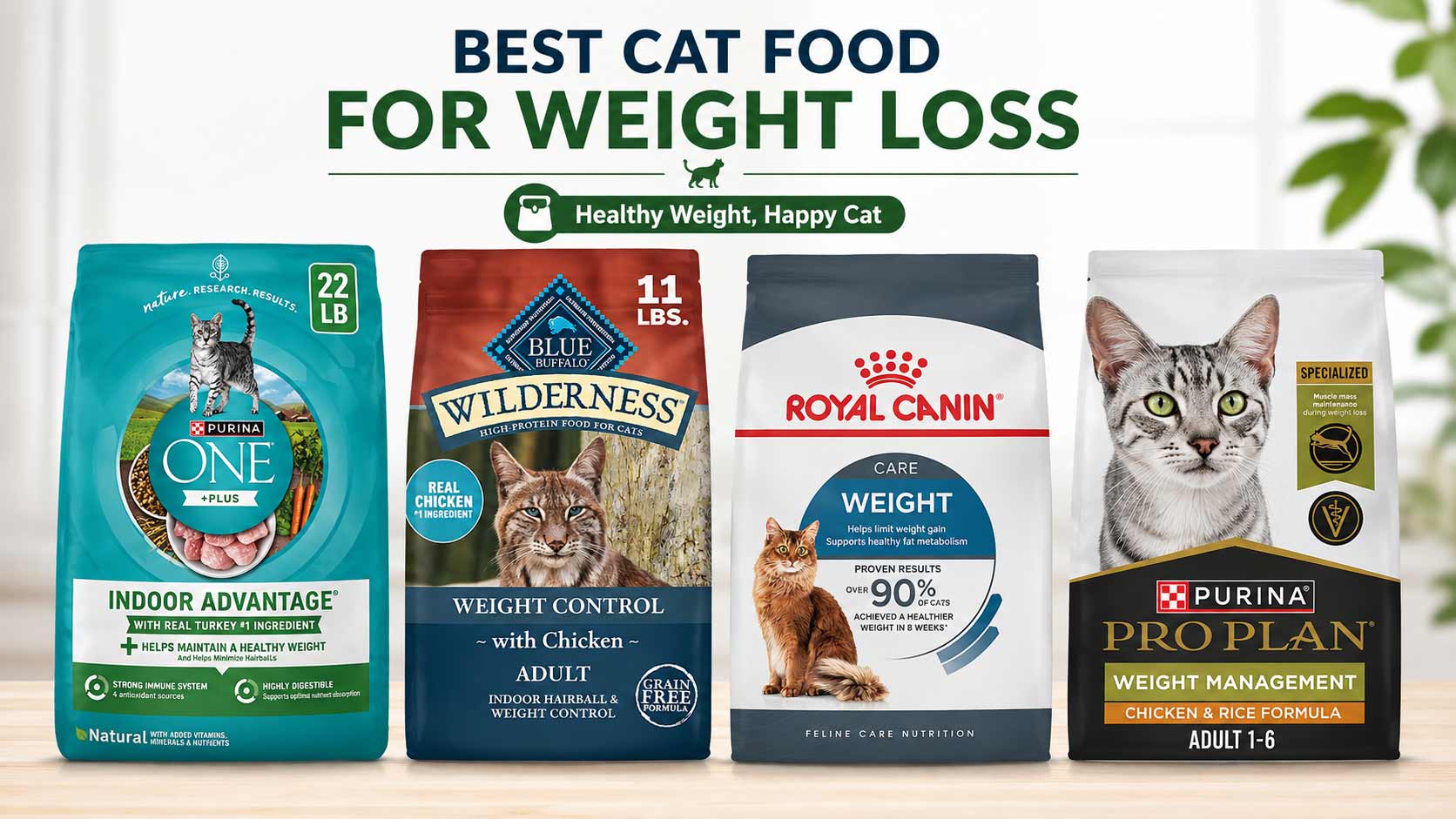
This guide walks through how weight-loss formulas actually work, what makes them different from a slow-down-your-portions approach, and which real products fit different situations. It’s written for adult cats, and every formula here should be introduced gradually and monitored alongside your vet, especially for a cat who’s significantly overweight. Here’s a quick look at the products we’ll cover:
- Purina ONE Natural Low Fat Weight Control Indoor Advantage, 22 lb
- Blue Buffalo Wilderness High-Protein Grain-Free Hairball & Weight Control, Chicken, 11 lb
- Royal Canin Feline Care Nutrition Weight Care Adult Dry Cat Food, 3 lb
- Purina Pro Plan Weight Management Chicken and Rice Adult Formula
Quick Verdict
Each of these four formulas takes a genuinely different approach to weight loss. Royal Canin Weight Care relies on fiber and L-carnitine together, backed by a published internal study. Purina Pro Plan leans on high protein at 43% to protect muscle during weight loss. Blue Buffalo Wilderness pairs high protein with hairball control for indoor cats specifically. Purina ONE Indoor Advantage takes the simplest route, cutting fat by 10% compared to the standard formula for lower-activity indoor cats.
Why Trust This Guide
We approached this comparison by first understanding how feline weight loss actually works safely, then matching real products to that framework rather than starting with a ranked list. We checked each formula’s guaranteed analysis and any published clinical claims directly against the manufacturer’s own data. We’re not veterinarians, and this guide can’t replace one, especially for a cat whose vet has already flagged a significant weight concern.
At a Glance
- 15+ hours spent understanding the mechanics of safe feline weight loss
- 3 brands represented, each taking a different formulation approach
- 4 approaches compared: fat reduction, high protein, fiber and L-carnitine, and hairball-plus-weight combination
- 4 real formulas matched to different cat situations
Quick Comparison Table
Short on time? Here’s a quick side-by-side before you dive into the full breakdowns below.
| Product | Core Approach | Protein/Fat | Best For |
| Purina ONE Indoor Advantage | 10% less fat than standard | 37% protein | Simplest fat reduction |
| Blue Buffalo Wilderness | High protein plus fiber | High-protein, grain-free | Indoor cats with hairballs |
| Royal Canin Weight Care | Fiber plus L-carnitine | 34% protein, 8.4% fat | Published study backing |
| Purina Pro Plan Weight Mgmt | Maximum protein preservation | 43% protein, 20% less fat | Muscle preservation focus |
The Four Approaches to Cat Food for Weight Loss, Explained
Affiliate Disclosure: As an Amazon Associate Pet Choice Center may earn a commission from qualifying purchases. If you purchase through our links, we may earn a small commission at no extra cost to you. We only recommend products we genuinely stand behind.
#1 Purina ONE Natural Low Fat Weight Control, Indoor Advantage: Simplest Fat Reduction
Overview: Real turkey first ingredient | 10% less fat than Purina ONE’s standard formula | 37 grams of protein per cup | 22 lb bag
Why It’s Here: This formula represents the most straightforward approach to weight management: simply reduce fat content while keeping protein steady. It’s a reasonable starting point for a cat whose weight gain is mild and tied mainly to lower activity as an indoor cat.
Purina ONE
Low Fat Weight Control
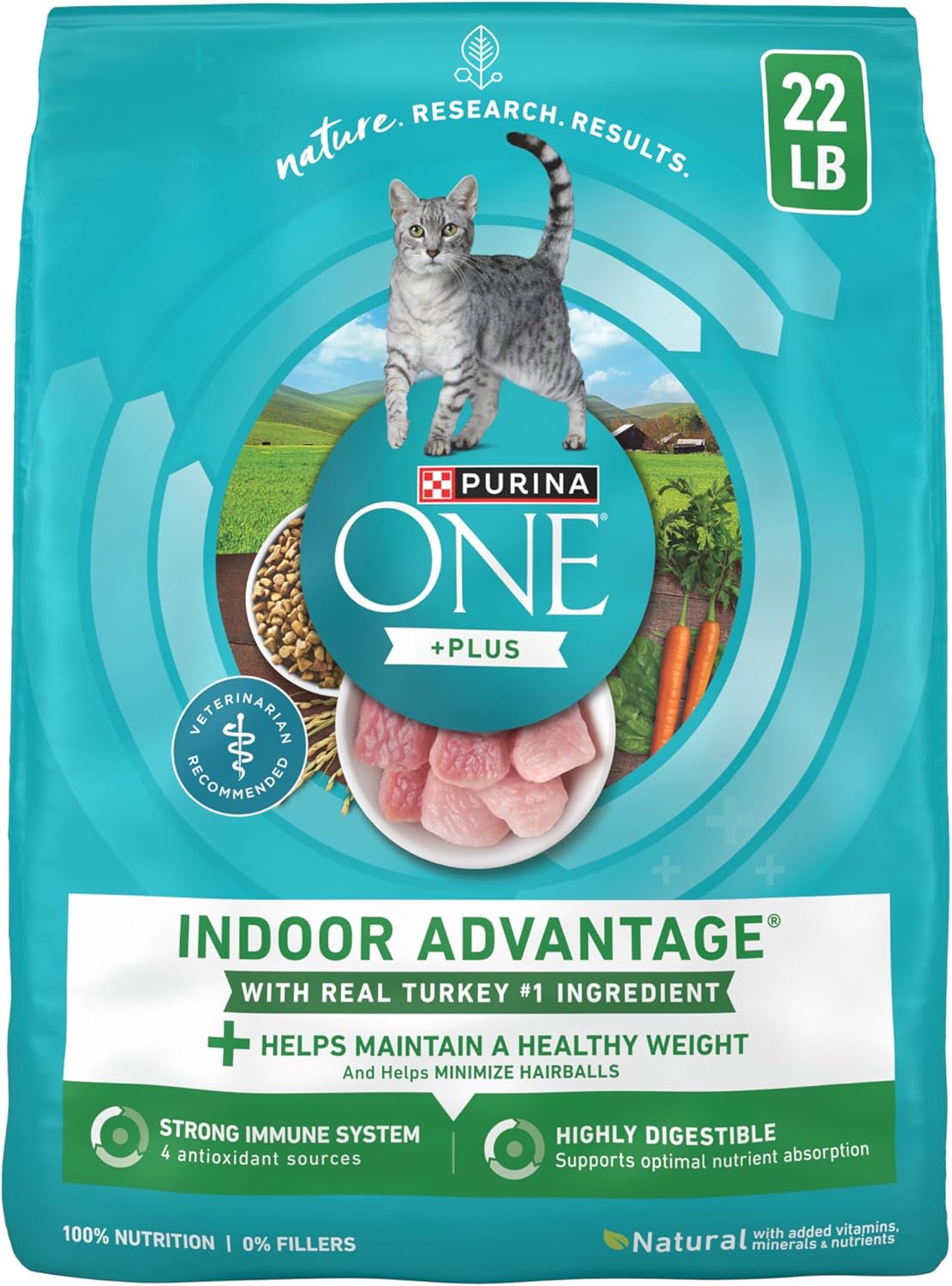
Key Features: 10% less fat than the standard Purina ONE formula | natural fiber blend helps minimize hairballs | four antioxidant sources support immune health | formulated specifically for indoor lifestyle
Pros: Simple, straightforward fat reduction without added complexity | widely available and reasonably priced | addresses hairballs as a secondary benefit | large bag size offers good value
Cons: Doesn’t include L-carnitine, unlike more targeted formulas | best suited to mild weight concerns rather than significant obesity
Best For: Cats with mild, activity-related weight gain who don’t need an aggressive intervention
Bottom Line: The gentlest starting point if your cat’s weight gain is mild and recent.
#2 Blue Buffalo Wilderness High-Protein Grain-Free Hairball & Weight Control: Indoor Cats With Hairballs
Overview: Deboned chicken first ingredient | high-protein, grain-free recipe | L-carnitine plus psyllium for hairball control | 11 lb bag
Why It’s Here: Weight gain and hairballs often show up together in less-active indoor cats, and this formula addresses both at once instead of asking you to solve them with two separate products.
Blue Buffalo Wilderness
Weight Control

Key Features: L-carnitine supports fat metabolism | psyllium seed husk fiber reduces hairball frequency | high animal protein supports lean muscle | no chicken by-product meal, corn, wheat, or soy
Pros: Solves two common indoor-cat issues in one formula | high protein content supports muscle while managing weight | grain-free recipe avoids common filler ingredients | strong reputation for palatability
Cons: Pricier than everyday weight-management formulas | not the lowest-calorie option available
Best For: Indoor cats dealing with both excess weight and frequent hairballs
Bottom Line: The practical choice if hairballs are part of your cat’s picture alongside weight.
#3 Royal Canin Feline Care Nutrition Weight Care: Published Study Backing
Overview: Chicken meal formula with L-carnitine at 140 mg/kg | 34% protein, 8.4% fat | fiber blend for satiety | 3 lb bag, larger sizes available
Why It’s Here: Royal Canin backs this formula with a specific internal study result: over 90% of slightly overweight cats lost weight within two months. That’s a concrete number to work from rather than a vague promise.
Royal Canin Feline
Nutrition Weight Care

Key Features: L-carnitine supports fat metabolism directly | soluble and insoluble fiber blend increases fullness | adapted protein content helps maintain lean muscle | formulated for cats with a body condition score up to 6/9
Pros: Backed by a specific, published clinical result | fiber blend genuinely helps satiety, per reviewers | lower calories per cup than several competitors | designed specifically around a body-condition scoring system
Cons: Contains corn and wheat, not grain-free | smaller starter bags cost more per pound
Best For: Owners who want a formula with concrete, published evidence behind it
Bottom Line: The pick if you want a number to point to, not just a promise.
#4 Purina Pro Plan Weight Management, Chicken and Rice: Muscle Preservation Focus
Overview: 43% minimum protein, 20% less fat than Purina’s standard adult formula | guaranteed live probiotics | real chicken first ingredient | standard bag sizes available
Why It’s Here: Weight loss that comes from losing muscle instead of fat isn’t a real win for your cat’s health. This formula leans hardest into protein of any option here, specifically to protect lean muscle while fat comes off.
Strongest Published
Royal Canin-Weight Care

Key Features: 43% protein supports lean muscle during weight loss | 20% less fat than Purina’s standard chicken and rice formula | prebiotic fiber and guaranteed probiotics support digestion | omega-6 fatty acids for skin and coat
Pros: Highest protein percentage of any formula in this comparison | probiotics add digestive support beyond weight management | real chicken as the first ingredient | moderate calorie density for the protein level
Cons: Contains poultry by-product meal, soy, and corn | some independent nutrition reviewers rate it below average overall
Best For: Cats whose weight loss plan needs to prioritize muscle preservation specifically
Bottom Line: The strongest protein-first option if muscle preservation is your main concern.
Pros & Cons Comparison Table
| Product | Top Pro | Top Con |
| Purina ONE Indoor Advantage | Simple, gentle starting point | No L-carnitine included |
| Blue Buffalo Wilderness | Solves hairballs and weight together | Pricier than everyday formulas |
| Royal Canin Weight Care | Backed by a published study result | Contains corn and wheat |
| Purina Pro Plan Weight Mgmt | Highest protein for muscle preservation | Rated below average by some independent reviewers |
Which Approach Fits Your Cat?
Cat’s weight gain is mild and recent, start with Purina ONE Indoor Advantage. If hairballs are part of the picture too, Blue Buffalo Wilderness solves both problems at once. If you want evidence behind the claim, Royal Canin Weight Care has a specific published result. Your vet is concerned about muscle loss during the process, Purina Pro Plan leans hardest into protein preservation.
How Cat Food for Weight Loss Actually Works
Cats process weight loss differently than dogs, and differently than most people expect. A cat’s body pulls energy from fat stores when calorie intake drops, but if that happens too fast, the liver can become overwhelmed trying to process the incoming fat, a condition called hepatic lipidosis. This is why vets consistently recommend gradual weight loss for cats rather than aggressive calorie cuts, and it’s the single most important thing to understand before starting any weight-loss plan.
The core problem most owners run into is treating cat food for weight loss the same way they’d treat a human diet product: just eat less, or switch to something labeled “light.” That approach can genuinely backfire in cats. A formula built for weight loss typically works through one of three mechanisms: reducing overall fat and calorie density, increasing protein to preserve muscle while fat comes off, or adding fiber and L-carnitine to increase satiety and support fat metabolism directly. Understanding which mechanism a given formula uses helps you pick one that matches your cat’s actual situation, rather than grabbing whatever bag says “diet” first.
Working With Your Vet, Not Around Them
A vet visit before starting any weight-loss plan does more than confirm the diagnosis. Your vet can calculate a safe target weight, a realistic timeline, and a daily calorie goal specific to your cat, information no bag of food can give you on its own. Compared to guessing at portions, a vet-calculated target gives you something concrete to measure progress against over the following weeks. One thing worth flagging clearly: any cat that stops eating entirely, even temporarily during a food transition, needs veterinary attention right away, since that’s exactly the scenario that can trigger hepatic lipidosis.
This guide is for anyone who just learned their cat needs to lose weight and wants to understand the actual mechanics before picking a bag off the shelf. By the end of this section, you should understand not just which cat food for weight loss to buy, but why it works the way it does.
Common Buying Mistakes to Avoid
- Cutting food too fast on your own. Sudden, severe calorie restriction is one of the most common triggers for hepatic lipidosis in cats. Any significant reduction should be vet-guided.
- Assuming any “diet” label means the same thing. Formulas achieve weight loss through different mechanisms, fat reduction, protein increase, or fiber and L-carnitine, and matching the mechanism to your cat’s situation matters.
- Skipping the vet visit entirely. A vet-calculated target weight and calorie goal beats guessing, and rules out underlying medical causes for weight gain.
- Watching the scale daily instead of monthly. Daily weight fluctuates naturally in cats. A monthly check gives a much clearer picture of real progress.
Practical Tips for Using Cat Food for Weight Loss Safely
- Never stop feeding a cat entirely, even briefly, to speed up weight loss. This is genuinely dangerous for cats and can trigger liver problems within days.
- Transition to a new formula over 7 to 10 days. A sudden switch can cause a cat to eat less than intended during the changeover itself.
- Get a vet-calculated calorie target before starting. This turns portion control from a guess into a specific, measurable number.
- Watch for any drop in appetite during the transition. A cat eating noticeably less than usual, even on a new “diet” food, needs a vet check, not patience.
Our Review Process
We evaluated each formula against the same criteria:
- The specific mechanism behind its weight-management approach
- Whether the brand published any concrete study results
- Verified protein, fat, and L-carnitine content
- Suitability for different weight-loss situations, from mild to more significant
- Long-term value and availability
We don’t make medical claims about any product, and every figure in this guide came from verified manufacturer data. Any cat with a significant weight concern should lose weight under direct veterinary supervision, given the real health risks of rapid or unsupervised weight loss in cats specifically.
For a full ranked comparison across more formulas, our best cat food for weight loss guide covers additional picks in depth, and our best dry cat food for weight loss guide focuses specifically on dry formulas with published clinical results.
Final Recommendation
If you only take one thing from this guide: talk to your vet before you talk to the pet food aisle. Get a target weight and a calorie goal first, then choose the formula whose mechanism actually fits your cat’s situation. Royal Canin Weight Care offers the most concrete published evidence. Purina Pro Plan protects muscle mass most aggressively. Blue Buffalo Wilderness solves hairballs alongside weight for indoor cats, and Purina ONE offers the gentlest starting point for mild cases.
This guide is built for anyone standing at the very start of this process, not just comparison shopping a ranked list. Loop in your vet, watch your cat’s appetite closely during any transition, and measure progress monthly rather than daily.
Frequently Asked Questions About Cat Food for Weight Loss
Why can’t I just feed my cat less of their regular food to help them lose weight? Simply cutting portions of a regular, higher-fat food can leave a cat under-nourished in protein while still not adequately reducing calorie intake, and severe restriction specifically carries real risk of triggering liver problems in cats, which is why a dedicated formula and a vet-guided plan work better than portion-cutting alone.
Is it dangerous for a cat to lose weight too fast? Yes, genuinely dangerous. Rapid weight loss in cats can trigger hepatic lipidosis, a serious liver condition, which is why veterinarians consistently recommend gradual, supervised weight loss rather than aggressive calorie cuts.
A reader recently asked us: how do I know if my cat’s weight loss plan is actually working? Weigh your cat monthly rather than daily, since day-to-day fluctuation is normal, and track alongside your vet’s calculated target timeline so you can adjust the plan if progress stalls or moves faster than expected.
Does L-carnitine actually help cats lose weight? L-carnitine is an amino acid that helps the body convert stored fat into usable energy, and several formulas, including Royal Canin Weight Care and Blue Buffalo Wilderness, include it specifically to support that process during a weight-loss plan.
Should I feed my other cats the same weight-loss food if only one cat needs to lose weight? Not necessarily. A cat at a healthy weight doesn’t need reduced calories, so many multi-cat households separate feeding times or locations to make sure only the cat that needs the weight-loss formula actually eats it.


By the Pet Choice Center Editorial Team– Emma
Reviewed and researched by the Pet Choice Center Editorial Team. We compare pet products using manufacturer specifications, verified customer feedback, and practical buying criteria to help pet owners make informed decisions.